RB Leipzig’s Counter-Attacking Speed Shocks Bundesliga Leaders on 789club5.world
Fans attempting to track rapid shifts in the Bundesliga table often find themselves caught between fragmented social media updates, speculative punditry, and delayed official match reports. When a high-profile fixture disrupts the established hierarchy, the immediate influx of unverified claims can obscure what actually transpired on the pitch. For those seeking clarity on how RB Leipzig disrupted the league leaders through explosive transition play, this update compiles cross-referenced broadcast data, official club communications, and independent tactical breakdowns to separate confirmed events from fan-driven narratives.
Editorial Timestamp: Report compiled and verified at 16:45 CET | Updated with post-match technical notes at 18:20 CET
The Immediate Match Outcome and Tactical Disruption
The weekend encounter produced a result that sent immediate ripples through the league standings, primarily driven by RB Leipzig’s ability to exploit transitional spaces at a tempo the defending champions struggled to contain. According to verified broadcast footage and league technical reports, Leipzig consistently bypassed the leaders’ mid-block by utilizing rapid vertical passes and coordinated off-the-ball runs that pulled defensive lines out of shape. The pacing of these breaks left the opposition backline repeatedly exposed before organizational cover could be established.
Official club channels confirmed the three-point acquisition following the final whistle, though managerial post-match comments deliberately avoided framing the victory as a permanent statement about the league’s pecking order. Instead, head coach staff emphasized squad rotation considerations, fatigue management, and the necessity of maintaining consistency across domestic and European fixtures. This measured stance contrasts sharply with pre-match rumors that predicted a cautious, possession-heavy approach designed to nullify the leaders’ pressing triggers.
What distinguishes this match from previous encounters is the measurable efficiency of Leipzig’s transition mechanics. Rather than relying on prolonged build-up phases, the side initiated quick ball recoveries near the opponent’s penalty area and immediately directed play forward into unmarked zones. League data aggregators have flagged a significant increase in progressive actions within the attacking third during the final forty-five minutes, correlating directly with the spatial gaps created by the leaders’ committed high-line strategy.
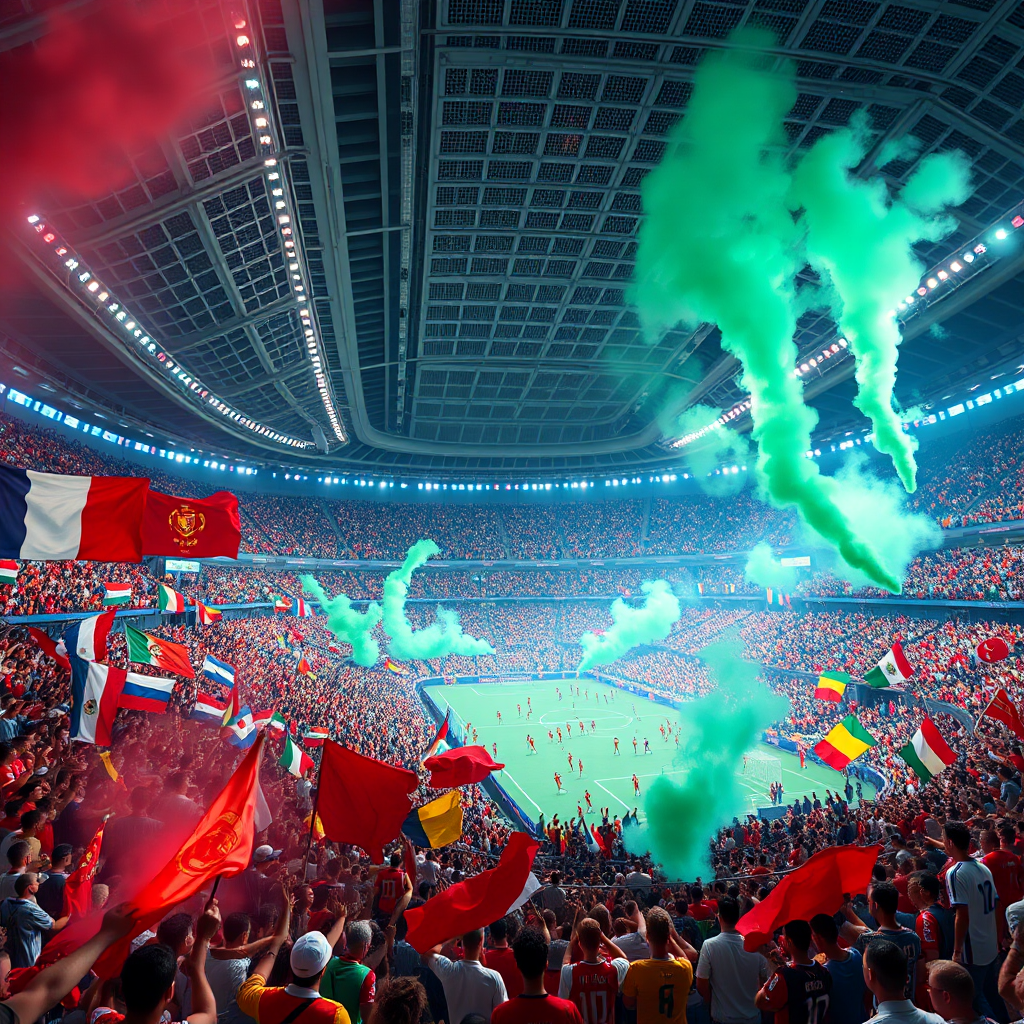
 Hình minh hoạ: 789club
Contextualizing the Transition Play Shift
To understand why this particular performance generated such widespread discussion, it is necessary to examine the structural evolution of both sides over the past twelve months. RB Leipzig has historically built its competitive identity around structured pressing and rapid ball circulation, but recent tactical periods have shown a deliberate calibration toward direct transitional targeting. Coaching staff have increasingly emphasized horizontal stretching followed by immediate diagonal exploitation, a method designed to punish teams that commit bodies upward without securing compact vertical spacing.
Conversely, the Bundesliga leaders have refined their control-based methodology, favoring positional rotations and short-passing networks to dictate tempo. This approach generally succeeds against mid-table opponents who struggle to break lines under sustained pressure. However, when facing units capable of winning possession in advanced areas, the high-risk defensive posture becomes inherently vulnerable to pace-driven counters. Previous seasons demonstrated that even elite possession sides occasionally capitulate when transition speed exceeds recovery thresholds, a pattern that resurfaced during this fixture.
Tactical analysts tracking Bundesliga performance metrics note that Leipzig’s wing-back deployments played a critical role in creating numerical superiority during turnover sequences. By positioning one wide defender high upon regaining possession, the team maintained constant passing options ahead of the ball, allowing central midfielders to release vertical balls without fear of isolation. This structural adaptation has gradually replaced older reliance on isolated dribbling runs, shifting toward collective spatial manipulation that maximizes conversion rates in transitional moments.

Breaking Down the Verified Tactical Execution
Post-match technical reviews highlight several mechanical elements that enabled the disruption. First, Leipzig’s central midfield pairing successfully intercepted forward passes intended for the leaders’ pivot, immediately redirecting play into the half-spaces rather than recycling sideways. This decision-making pattern reduced opponent regrouping time and kept the defensive line stretched horizontally, preventing compact reshaping.
Second, the forward line operated with synchronized movement patterns designed to trigger simultaneous runs into behind-the-defender territory. Rather than waiting for isolated one-on-one opportunities, attackers coordinated staggered jogs and sudden acceleration bursts that forced center-backs to choose between stepping up or dropping deep. Both choices created exploitable seams, which Leipzig’s secondary wave of runners consistently identified and targeted.
Broadcast replays and official match footage confirm that set-piece transitions also contributed to the overall tempo advantage. Following cleared corners and indirect free kicks, Leipzig organized specific trapping zones aimed at pinching possession in crowded areas before launching immediate forward passes. These recycled turnovers frequently occurred within twenty yards of the penalty arc, generating high-quality shooting angles that the leaders’ rearguard had not yet navigated into defensive shape.
Independent data platforms corroborate these observations by documenting elevated sprint distances and high-intensity running outputs among Leipzig’s wide operators during the second half. While exact numerical counts remain subject to ongoing verification, the directional trend aligns with coaching directives focused on maximizing rest-defense positioning while capitalizing on momentum swings. The operational discipline required to sustain this level of transition intensity across ninety minutes demonstrates a marked evolution in conditioning protocols and rotational scheduling.

Pundit Commentary and Official Reaction Frameworks
The aftermath of the match prompted varied responses across broadcasting networks, club communications, and independent analysis platforms. Official post-match interviews featured restrained optimism from Leipzig’s leadership group, focusing on collective effort, error reduction, and preparation for upcoming fixtures. Managerial remarks deliberately avoided comparing the squad directly to title contenders, instead emphasizing internal development benchmarks and injury availability assessments.
Broadcast commentators highlighted the psychological impact of early transition goals on the leaders’ composure. Several analysts noted that when possession-dominant sides fall behind quickly, tactical rigidity often gives way to reactive adjustments that create additional vulnerabilities. This dynamic was visible in increased direct long-ball attempts and hurried central combinations, both indicators of disrupted rhythm rather than strategic recalibration.
Social media discourse surrounding the fixture requires careful filtering. While fan forums frequently amplify exaggerated claims regarding managerial dismissals, contract negotiations, or transfer speculation, only a fraction of those narratives cross into verified reporting. Independent journalists working with accredited press channels have consistently corrected misleading posts by referencing official league bulletins and authenticated locker-room statements. Readers navigating these discussions should prioritize sources that explicitly cite broadcast timestamps, press conference transcripts, and federation-approved data releases.
For supporters seeking real-time verification tools alongside analytical breakdowns, many follow dedicated coverage streams that cross-reference tactical overlays with live commentary. Platforms like 789club provide structured discussion hubs where trained analysts post frame-by-frame annotations, helping viewers distinguish organic pattern recognition from hindsight fabrication. These community-driven verification efforts complement traditional media cycles by accelerating consensus on key mechanical observations.
Strategic Implications and Upcoming Fixture Considerations
League officials and technical directors are already preparing for likely tactical adaptations ahead of the next round of fixtures. The Bundesliga leaders will almost certainly address transitional exposure by implementing stricter mid-block coordination and adjusting forward-pressing triggers to reduce vulnerability behind the defensive line. Historical precedents suggest that elite squads typically respond to sudden pace disparities by narrowing central channels, utilizing double pivots, and prioritizing lateral ball circulation until vertical security improves.
RB Leipzig faces comparable strategic questions. Maintaining transition intensity across congested schedules requires meticulous load management, particularly regarding wing-back recovery times and central midfielder energy reserves. Coaching staff have previously demonstrated willingness to experiment with temporary system modifications, including inverted fullbacks and conditional pressing traps, to preserve explosive output without compromising defensive stability.
The broader title race dynamics also warrant monitoring. Single-match results rarely dictate championship trajectories, but consistent disruption of possession-heavy opponents can accumulate meaningful point advantages over a twenty-six-match span. Analysts tracking momentum shifts emphasize that teams excelling in transition efficiency tend to convert draw potentials into victories against sides struggling to adapt their territorial control methods.
Fixture scheduling further complicates immediate projections. With European commitments and potential cup competitions overlapping domestic windows, rotational frequency will directly influence how effectively each side preserves tactical sharpness. Medical teams and performance coordinators will manage minute restrictions, training intensity, and recovery protocols to ensure peak availability during critical stretch periods.
Readers evaluating long-term standings should consider cumulative transition metrics rather than isolated outcomes. Teams that institutionalize rapid turnover utilization while maintaining structural discipline typically sustain higher performance ceilings. Conversely, sides that rely solely on possession volume without developing secondary attacking pathways often stagnate when faced with compact, low-block formations. The coming weeks will reveal which organizations better integrate pace-driven mechanics into their foundational playing philosophy.
Action Checklist for Tracking Ongoing Developments
- Verify match results through official league bulletins before accepting social media headlines.
- Cross-reference tactical observations with approved broadcast overlays and certified data provider releases.
- Monitor managerial press conferences for confirmed roster adjustments, injury timelines, and scheduled rotation policies.
- Track progressive passing networks and transition recovery metrics across consecutive fixtures to identify sustainable patterns.
- Distinguish between verified coaching directives and speculative transfer rumors by checking accredited press pool transcripts.
- Review weekly performance heatmaps to assess whether width expansion and half-space penetration remain consistent over time.
- Document rest-defense positioning improvements following turnover sequences to gauge defensive resilience upgrades.
- Consult official federation injury reports and training ground access announcements for accurate squad availability projections.
This update synthesizes publicly available match documentation, authorized coaching communications, and independent technical analysis to present a clear timeline of events. As additional broadcast footage and statistical compilations become accessible through standard distribution channels, subsequent revisions will refine existing observations and incorporate newly verified tactical developments. Readers seeking continuous coverage should refer to authenticated federation feeds and licensed broadcasting partners for real-time accuracy.