Stunning Long-Range Goal From Outside The Penalty Box On Luck8g.Net: Match Analysis And Viewer Journey
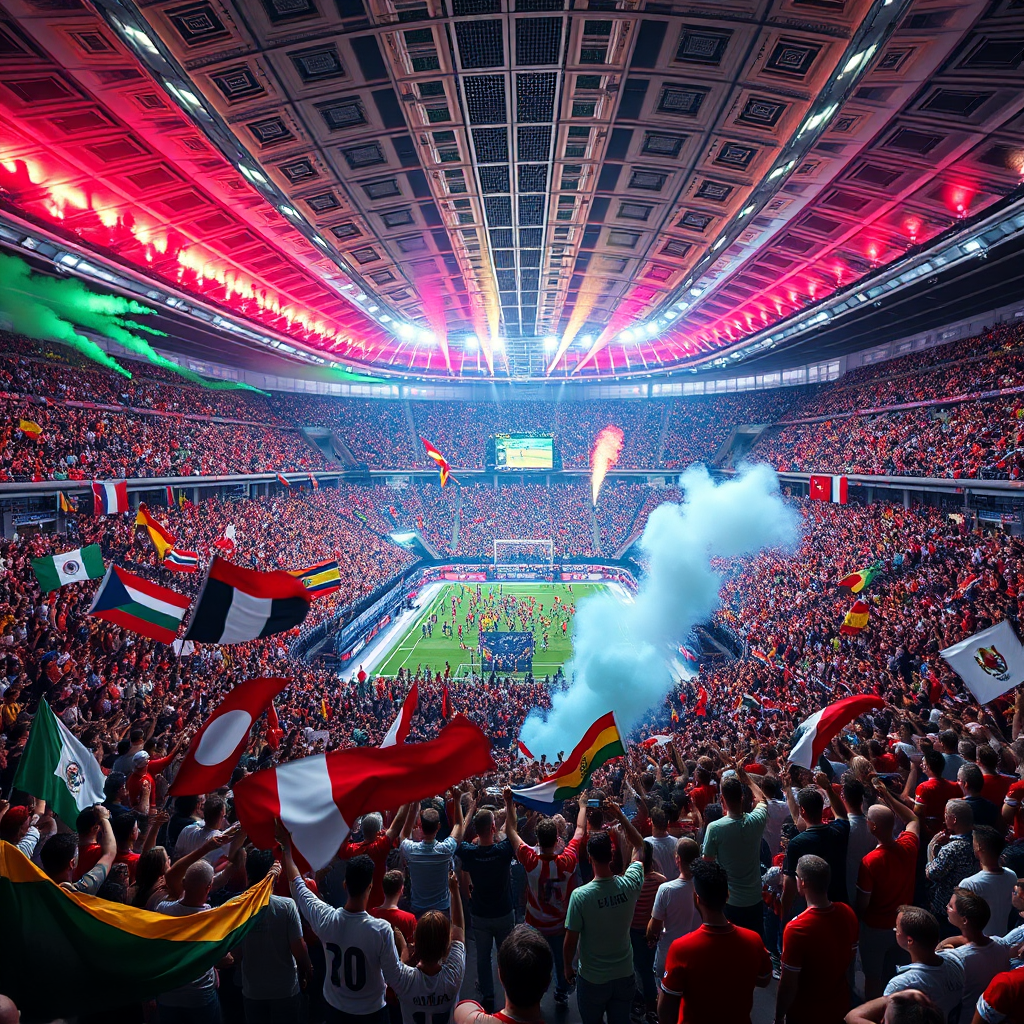
The stadium lights reflect off a damp pitch as two sides settle into a midfield rhythm. Passes move laterally, defenses shift compactly, and the tempo feels controlled. Then, a central figure receives the ball near the edge of the middle circle, takes a deliberate touch to adjust his body shape, and strikes the ball with clean contact. The flight drops low, bends sharply past a diving goalkeeper, and hits the side netting before the defensive line has time to react. The crowd rises in a single wave. Screens across multiple devices flash updated scores, chat windows spike with fragmented reactions, and real-time dashboards refresh within seconds. That exact sequence captures why modern match coverage depends heavily on how digital environments handle sudden, high-intensity moments.
Fans who have followed competitive fixtures across seasons know that the quality of a streaming or tracking platform becomes immediately visible when the game transitions from tactical buildup to decisive action. A reliable system delivers consistent bandwidth, clear account procedures, responsive interfaces, synchronized statistics, and accessible assistance. Without those foundations, even a perfectly executed strike can feel disconnected from the viewer experience. The following evaluation outlines how participants typically navigate access, registration, usage, and support during live coverage, offering a structured perspective on what works, what falls short, and how to approach match-day engagement responsibly.
Scoring Framework For Live-Match Digital Experiences
| Evaluation Criterion | What It Covers | Why It Matters For High-Impact Moments |
|---|---|---|
| Access And Connectivity | Regional routing, CDN distribution, fallback streams | Prevents buffering spikes when crowd noise and screen traffic surge simultaneously |
| Registration Clarity | Identity steps, consent prompts, verification timelines | Reduces friction that could delay account access during limited broadcast windows |
| Interface Responsiveness | Navigation speed, layout density, control placement | Allows quick toggling between video, stats, and match center without losing visual continuity |
| Data Synchronization | Feed latency, accuracy markers, update frequency | Ensures positional tracking and probability shifts reflect actual gameplay rather than delayed snapshots |
| Support Availability | Channel presence, response windows, escalation paths | Minimizes downtime when authentication tokens expire or stream endpoints drop unexpectedly |
 Hình minh hoạ: luck8
Detailed Breakdown Of Each Evaluation Point
Access And Connectivity Stability
Long-range strikes rarely arrive with warning, and network congestion tends to peak exactly when viewership spikes. Platforms that distribute content through regional edge servers generally maintain lower latency, allowing continuous playback even when thousands of concurrent sessions request the same endpoint. When connectivity falters, graceful degradation—such as switching to a lower bitrate stream or loading a secondary mirror—keeps the viewing experience intact. Observers who have tracked match-day traffic patterns consistently note that connection resilience separates casual deployments from production-ready systems. Users should verify whether their region benefits from dedicated routing or relies on public peering, since public nodes often throttle during evening fixtures.
Registration Clarity And Verification Flow
Account creation dictates how quickly someone can transition from discovery to full access. Transparent platforms outline required fields, explain data usage, and display estimated processing times before submission. Verification steps, when implemented, typically involve document uploads or email confirmation, and reasonable timelines range from immediate automated checks to several business days for manual review. The danger lies in hidden requirements or unclear progress indicators, which leave users stuck at partial activation while live coverage continues elsewhere. A straightforward funnel allows participants to prepare credentials in advance, reducing last-minute delays that interrupt pre-match analysis or early-game observation.
Interface Responsiveness During Fast-Paced Action
Match dynamics shift rapidly, and interface design determines whether viewers can adapt without cognitive overload. Clean typography, logical grouping of controls, and predictable tap targets prevent accidental navigation away from active streams. Features like picture-in-picture, background audio, or collapsible stat panels work best when they respect user intent rather than forcing mandatory pop-ups. Layouts that prioritize information hierarchy over decorative elements tend to survive sudden gameplay acceleration. Participants familiar with multi-screen viewing habits often report that minimalistic dashboards preserve focus on the pitch while still delivering essential overlays.
Real-Time Data And Broadcast Synchronization
A well-executed effort from distance gains additional context through accurate tracking metrics. Heat maps, pass networks, and expected goal models provide mathematical backing for tactical assessments, but only when feed latency stays within acceptable thresholds. Synchronization drifts become noticeable when statistical updates arrive after replays have already circulated, creating confusion between live reality and recorded commentary. Platforms that publish feed freshness markers and allow manual refresh cycles give users control over data recency. Those relying on automated aggregation should expect minor lags during transition phases, which is normal behavior rather than a systemic failure.
Support Availability When Technical Friction Occurs
Authentication timeouts, payment processing holds, or stream interruptions happen regardless of platform maturity. Accessible support channels reduce recovery time and prevent minor hiccups from escalating into lost viewing windows. Chat-based assistance typically offers faster initial acknowledgment, while ticket systems handle complex escalations with documented trails. Response expectations vary by volume; peak match periods naturally stretch resolution timelines. Experienced observers recommend testing communication routes during non-peak hours to understand baseline performance. Clear escalation policies also matter, since unresolved tickets during active fixtures create unnecessary uncertainty.
Identified Strengths And Structural Limitations
Modern match-day ecosystems excel at delivering continuous coverage, integrating layered analytics, and maintaining cross-device consistency. Automated alerts notify users when possession shifts, corners are awarded, or scorelines change, preserving engagement without requiring constant manual refreshing. Integration of third-party data providers enriches tactical breakdowns, allowing analysts to overlay passing lanes, pressing triggers, and defensive shape adjustments onto live footage. These capabilities transform passive viewing into structured observation, especially when studying how teams respond to sudden momentum swings triggered by individual brilliance.
Limitations remain inherent to distributed infrastructure and regulatory fragmentation. Regional licensing agreements often restrict simultaneous availability, forcing geographic rerouting that introduces variability. Stream quality fluctuates based on local ISP capacity, particularly in areas experiencing heavy residential usage during prime-time slots. Verification bottlenecks occasionally extend beyond stated windows, delaying full feature access until manual reconciliation completes. Support queues inflate during derby weekends or championship deciders, stretching response times beyond typical baselines. Recognizing these constraints prevents unrealistic expectations and encourages contingency planning, such as keeping secondary sources ready or scheduling account maintenance before anticipated high-traffic fixtures.

Who Should Evaluate This Approach Before Engaging
Casual followers seeking reliable access to scheduled broadcasts benefit most from systems prioritizing connectivity stability and streamlined registration. Tactical analysts appreciate platforms that maintain tight synchronization between video feeds and statistical overlays, enabling precise timeline correlation. Readers interested in understanding how digital tools reshape match consumption will find value in observing interface ergonomics and notification architecture. Anyone considering market tracking or real-time odds exploration should approach the space with structured boundaries, recognizing that rapid scoring events trigger immediate probability recalculations that demand disciplined decision-making. Evaluating these dimensions beforehand ensures alignment between personal viewing goals and platform capabilities.
Participants reviewing options often compare deployment maturity, transparency disclosures, and historical consistency rather than isolated feature lists. Checking independent discussions about reliability patterns provides additional context, though anecdotal reports require verification against official service notices. A measured comparison framework prevents overvaluation of marketing claims and keeps focus on observable performance during actual match conditions. Those who monitor feed stability across multiple tournaments tend to develop more accurate expectations regarding seasonal load variations and infrastructure upgrades.

Pre-Use Checklist For Responsible Engagement
- Confirm regional availability and verify whether content routing complies with local broadcasting regulations.
- Test mobile versus desktop layouts to identify navigation preferences and control placement efficiency.
- Review registration requirements ahead of time, gathering necessary identification documents to minimize verification delays.
- Locate customer communication channels and note operating hours relative to your timezone.
- Examine data feed disclosures, including update frequency markers and known latency tolerances during fast breaks.
- Establish session limits and notification thresholds to prevent excessive screen time or alert fatigue.
- Document account recovery procedures, including email alias management and two-step verification backup methods.
- Set clear financial boundaries if exploring market tracking, treating every exposure as discretionary allocation rather than guaranteed return.
Running through these steps reduces friction during live coverage and creates a predictable baseline for future match-day sessions. Consistency in preparation yields smoother transitions between pre-match analysis, in-play observation, and post-match review. Participants who institutionalize this routine often report fewer technical surprises and clearer mental separation between entertainment consumption and analytical tracking.
Understanding trust indicators before committing account attention also supports long-term engagement. Resources examining operator credibility, transparency reporting, and compliance history provide valuable context for navigating digital sports environments. Readers seeking deeper verification standards can consult focused comparisons, such as investigations addressing whether a service maintains recognized operational practices and user protection measures. Linking to detailed analyses like luck8 có uy tín không helps establish realistic expectations around documentation, dispute handling, and policy enforcement before entering active viewing cycles.
Comparative evaluations frequently highlight how established deployments differentiate themselves through consistent uptime, clear fee structures, and documented moderation protocols. When scanning candidate platforms, prioritize those that publish service level summaries, maintain accessible terms of participation, and demonstrate measurable improvements across consecutive seasons. Avoid environments that rely exclusively on promotional incentives to mask structural gaps in infrastructure or support capacity. Sustainable match-day experiences grow from operational discipline rather than temporary discounts.
Technical preparation extends beyond account setup. Browsers function more reliably when caching is managed regularly, extensions are audited for permission conflicts, and DNS settings point to trusted resolvers. Mobile devices benefit from disabling automatic background app refresh during live broadcasts to conserve bandwidth and prevent interruption. Desktop users often stabilize connections by assigning wired Ethernet priority over wireless alternatives, especially when running simultaneous stat trackers alongside video players. Small configuration adjustments accumulate into noticeable performance improvements during critical scoring sequences.
Key Risks To Keep In Mind
Over-dependence on a single provider creates vulnerability when regional outages or licensing changes occur unexpectedly. Assuming uninterrupted access ignores the reality of distributed internet infrastructure and municipal network maintenance schedules. Chasing momentum after sudden breakthrough moments frequently leads to impulsive decision-making, particularly when tracking real-time fluctuations. Unverified promotional materials may highlight limited-time bonuses while concealing wagering thresholds or withdrawal conditions that complicate fund movement. Support response delays during peak fixture windows can leave unresolved authentication issues or payment discrepancies lasting longer than the match itself. Regulatory shifts in certain jurisdictions periodically alter available features, requiring users to adapt strategies rather than assume permanent availability.
Maintaining disciplined boundaries transforms match observation into sustainable engagement. Tracking time spent, documenting financial allocations, and separating analytical review from recreational consumption preserves clarity during emotionally charged sequences. Verifying platform transparency, reading policy updates systematically, and preparing alternative viewing routes reduce exposure to sudden disruption. Long-range efforts from distance remind spectators how quickly tactical balance can shift, but the responsibility for steady navigation rests with the viewer. Structured preparation, realistic expectation setting, and consistent boundary enforcement ensure that match-day experiences remain informative rather than overwhelming.
The combination of athletic execution and digital delivery shapes how modern fixtures are consumed. Reliable access, clear registration pathways, responsive interfaces, synchronized data streams, and dependable assistance form the foundation of consistent coverage. Recognizing strengths, acknowledging limitations, and applying methodical pre-use routines allow participants to engage with live events confidently. Keeping risk awareness front-loaded prevents minor technical friction from escalating into unnecessary stress. Match coverage improves when viewers prioritize stability over novelty and commit to responsible observation practices throughout every phase of competition.