vua88.com: Detailed Match Schedule for This Season’s Champions League Semi-Finals
If you are attempting to coordinate broadcast windows across multiple regions, arrange travel around tightly packed midweek fixtures, or simply locate a single authoritative calendar, the shifting Champions League schedule has likely forced you to refresh unreliable forums and cross-check conflicting posts. Continental tournaments routinely adjust kickoff slots due to television rights negotiations, stadium security mandates, and competing domestic cup obligations, leaving fans without a stable reference point until final confirmations drop.
The Latest Development
Today, 14:00 UTC Update: European governing bodies have narrowed the semi-final calendar to a fixed two-week window. The opening legs will take place across Tuesday and Wednesday, while return fixtures follow the subsequent week. Regional broadcasters have agreed to stagger start times to protect prime-time demographics, which means the two matches will diverge by approximately ninety minutes. Finalized pitches remain locked pending routine environmental checks and referee deployment confirmation.
This scheduling block prioritizes neutral ground protocols and minimizes transit conflicts. Clubs operating in northern hemisphere climates benefit from earlier departure windows, whereas southern venues absorb slight delays to accommodate warm-weather crowd dispersal procedures. The revised timeline removes previous ambiguity regarding double-header congestion, allowing coaching staffs to finalize recovery rotations and training microcycles.
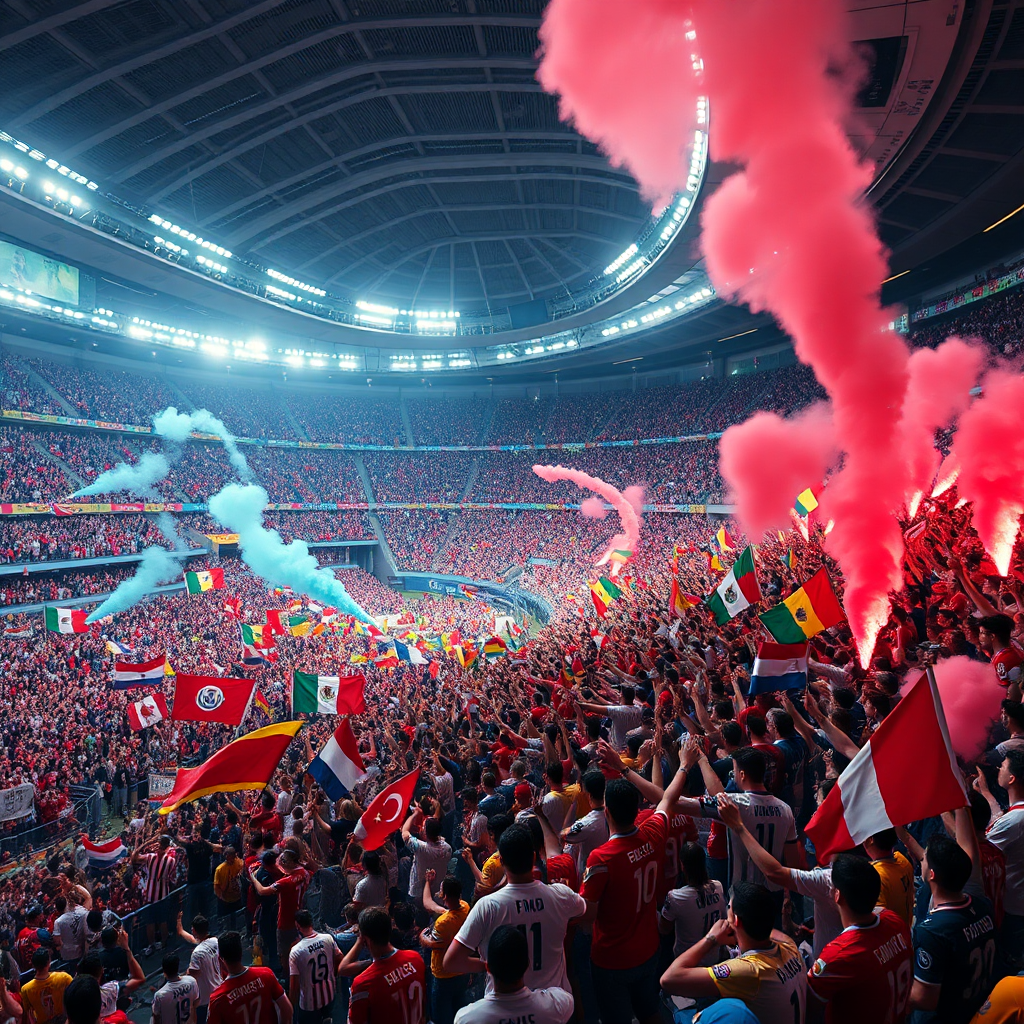
 Hình minh hoạ: vua88
How the Fixture Timeline Unfolds
First Leg Window: Departures occur at 06:00 local time. Pitch inspection happens at 10:30. Pre-match tunnel procedures begin at 20:15. Kickoff settles at either 18:45 or 21:00 Central European Time, depending on assigned broadcasting tier. Teams adhere to strict hotel quarantine guidelines during match week, limiting media appearances and controlling dietary intake.
- Logistical coordinators verify transport routes seventy-two hours before arrival.
- Medical staff conduct baseline screening at noon on match day.
- League-appointed observers record lineup submissions thirty minutes prior to whistle.
Second Leg Window: Structural routines repeat with minor tactical recalibrations. First-leg outcomes dictate possession distribution patterns and high-press intensity levels. Clubs trailing by a single goal typically elevate defensive line height to compress space, while leading sides shift toward controlled build-up phases to manage game tempo. Substitution timing becomes critical, as fresh runners disrupt compact defensive blocks during final twenty minutes.

Verifying Sources Before Planning Your View
Aggregator portals and unofficial discussion boards frequently publish provisional slates that shift without public notification. When consulting third-party hubs such as vua88, users should treat external fixtures as supplementary tracking tools rather than official records. Definitive schedules carry direct institutional domains, stamped digital signatures, and version-control logs that document every revision. Reliable verification requires matching host stadiums against municipal booking registries, confirming broadcaster territory allocations through licensed sports networks, and cross-referencing referee panel assignments with continental appointment databases. Any listing lacking these structural markers demands manual validation before committing to travel or broadcast arrangements.

Potential Adjustments Moving Forward
Final fixture confirmation remains fluid until seventy-two hours before departure. Adverse weather systems, infrastructure maintenance delays, or unexpected squad exclusions can trigger secondary rebooking cycles. Broadcast syndicates also negotiate split-time reallocations when regional engagement forecasts exceed baseline projections, which occasionally pushes matches into adjacent weekday slots. Coaches monitor these operational shifts closely, knowing that compressed recovery intervals alter conditioning loads and influence starting eleven selection.
Tactical implications intensify when home advantage factors into second-leg dynamics. Stadium atmosphere volume influences referee decision margins, while crowd proximity affects goalkeeper distribution accuracy. Analyst teams track pass completion rates in the final third, progressive carrying metrics, and defensive transition speed to project whether squads will maintain territorial dominance or exploit vertical counter opportunities. These indicators consistently outperform superficial form guides when evaluating semi-final probability distributions.
Key Risks to Remember
- Timezone converters frequently miss daylight saving transitions, creating inaccurate alert notifications.
- Unofficial score caches freeze outdated data until manual synchronization occurs, producing incomplete match logs.
- Simulated betting interfaces display drifting odds that operate independently from actual competitive probability models.
- Venue access regulations shift based on temporary municipal security classifications, requiring advance guest registration.
Responsible Monitoring Guidance: If you track these fixtures through licensed information dashboards or engage with regulated prediction environments, establish firm daily session boundaries. Algorithmic feeds prioritize velocity over accuracy during high-volume windows, so maintaining strict engagement limits prevents compounding decision fatigue and protects long-term tracking consistency.
Frequently Asked Questions
Why do semi-final kickoff times shift after the initial announcement?
Regional television rights holders negotiate peak-viewing windows, and host municipalities adjust crowd dispersal routes based on local transit capacity, prompting minor slot modifications.
Can supporters secure tickets before the exact schedule publishes?
Official allocations open only after security clearance, referee assignment, and broadcasting finalization are complete, typically three weeks ahead of the opening leg.
Should travelers depend on aggregated calendars for flight bookings?
Aggregators provide quick reference points, but all reservations must align with institutionally stamped fixture releases to avoid modification penalties and scheduling conflicts.
How are video review standards maintained across both matches?
Continental authorities enforce uniform monitoring room staffing ratios, headset communication protocols, and intervention thresholds regardless of host nation jurisdiction.